

The Future of eCommerce Packaging: Custom Solutions 2026
As we approach 2026, the landscape of eCommerce packaging is undergoing a revolutionary transformation. The rapid growth of online shopping has created unprecedented demand for innovative packaging solutions that balance functionality, sustainability, and customer experience. The future of eCommerce packaging lies in custom solutions that address the unique challenges of digital retail while meeting evolving consumer expectations and environmental responsibilities.
Sustainable Packaging Trends Shaping 2026
The most significant trend driving sustainable packaging innovation is the growing consumer awareness of environmental impact. By 2026, we expect to see widespread adoption of biodegradable materials made from agricultural waste, mushroom-based packaging, and seaweed-derived films. These materials decompose naturally within weeks rather than decades, significantly reducing the environmental footprint of eCommerce packaging.
Reusable packaging systems are also gaining momentum as brands recognize the value of creating circular economy models. Companies are investing in returnable packaging programs where customers can send back containers for cleaning and reuse. This approach not only reduces waste but also builds stronger relationships with environmentally conscious consumers. The integration of QR codes on packaging allows customers to easily access return instructions and track their environmental impact contributions.
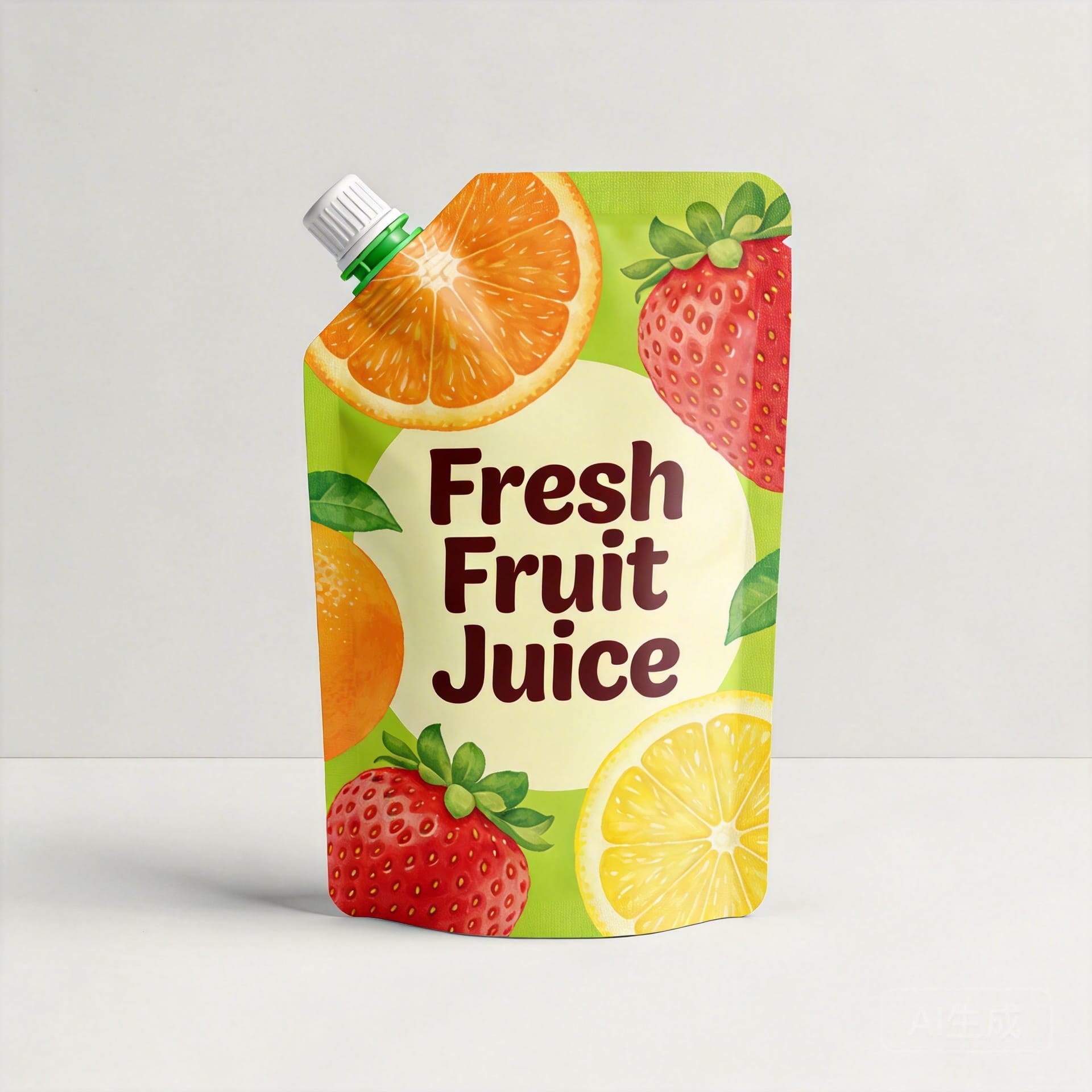
Minimalist design principles are becoming standard practice in sustainable packaging. Brands are eliminating unnecessary layers, reducing package sizes through better product fitting, and using single-material construction to simplify recycling processes. Water-based adhesives and soy-based inks are replacing traditional chemical alternatives, making packaging safer for both consumers and the environment. The push toward zero-waste packaging solutions includes innovative approaches like dissolvable mailers and edible packaging for appropriate products.
Smart Technology Integration in Packaging
Smart packaging technology represents the cutting edge of custom packaging innovation. RFID tags and NFC chips embedded in packages provide real-time tracking capabilities that extend beyond traditional shipping updates. Customers can scan packages with their smartphones to access detailed product information, authenticity verification, and interactive brand experiences. This technology also enables brands to monitor storage conditions during transit, ensuring product quality and safety.
Augmented reality features integrated into packaging create immersive unboxing experiences that enhance brand engagement. When customers point their devices at specially designed packaging, they can access 3D product demonstrations, virtual try-on experiences, or exclusive content. This technology bridges the gap between physical and digital commerce, providing customers with valuable information while differentiating brands in competitive markets.

Smart sensors in packaging can detect tampering, temperature fluctuations, and other potential issues that might affect product quality. For perishable goods, these sensors provide real-time freshness indicators that help reduce food waste and improve customer satisfaction. The data collected from smart packaging provides valuable insights into supply chain efficiency, customer handling patterns, and optimal packaging designs for different products and shipping routes.
Personalized Packaging Solutions
Personalization has evolved from simple name printing to sophisticated custom packaging experiences tailored to individual customer preferences and purchase history. Advanced algorithms analyze customer data to determine optimal package sizes, preferred color schemes, and relevant messaging that resonates with each recipient. This level of personalization extends to seasonal themes, special occasion recognition, and brand loyalty rewards integrated directly into the packaging experience.
Dynamic packaging design platforms enable real-time customization based on geographic location, cultural preferences, and demographic characteristics. For international shipments, packaging automatically adapts to local languages, customs regulations, and cultural sensitivities without requiring manual intervention. This ensures consistent brand experience across global markets while respecting regional differences and regulatory requirements.
Interactive elements such as scratch-off sections revealing personalized discount codes, puzzle elements that engage customers during unboxing, and customizable gift messages create memorable experiences that encourage social sharing and brand advocacy. These features transform packaging from a functional necessity into a marketing tool that continues to engage customers long after purchase completion.
Cost Optimization Strategies for Efficient Operations
Advanced automation technologies are revolutionizing the economics of custom packaging production. Robotic packaging systems equipped with AI-powered vision systems can handle diverse product shapes and sizes while maintaining consistent quality standards. Machine learning algorithms optimize material usage by calculating precise dimensions needed for each shipment, reducing waste and lowering material costs without compromising product protection.
Cloud-based packaging management systems centralize operations across multiple fulfillment centers, enabling real-time inventory optimization and predictive ordering of packaging materials. These systems analyze historical data and sales forecasts to maintain optimal stock levels, preventing both shortages that could delay shipments and excess inventory that ties up capital unnecessarily.
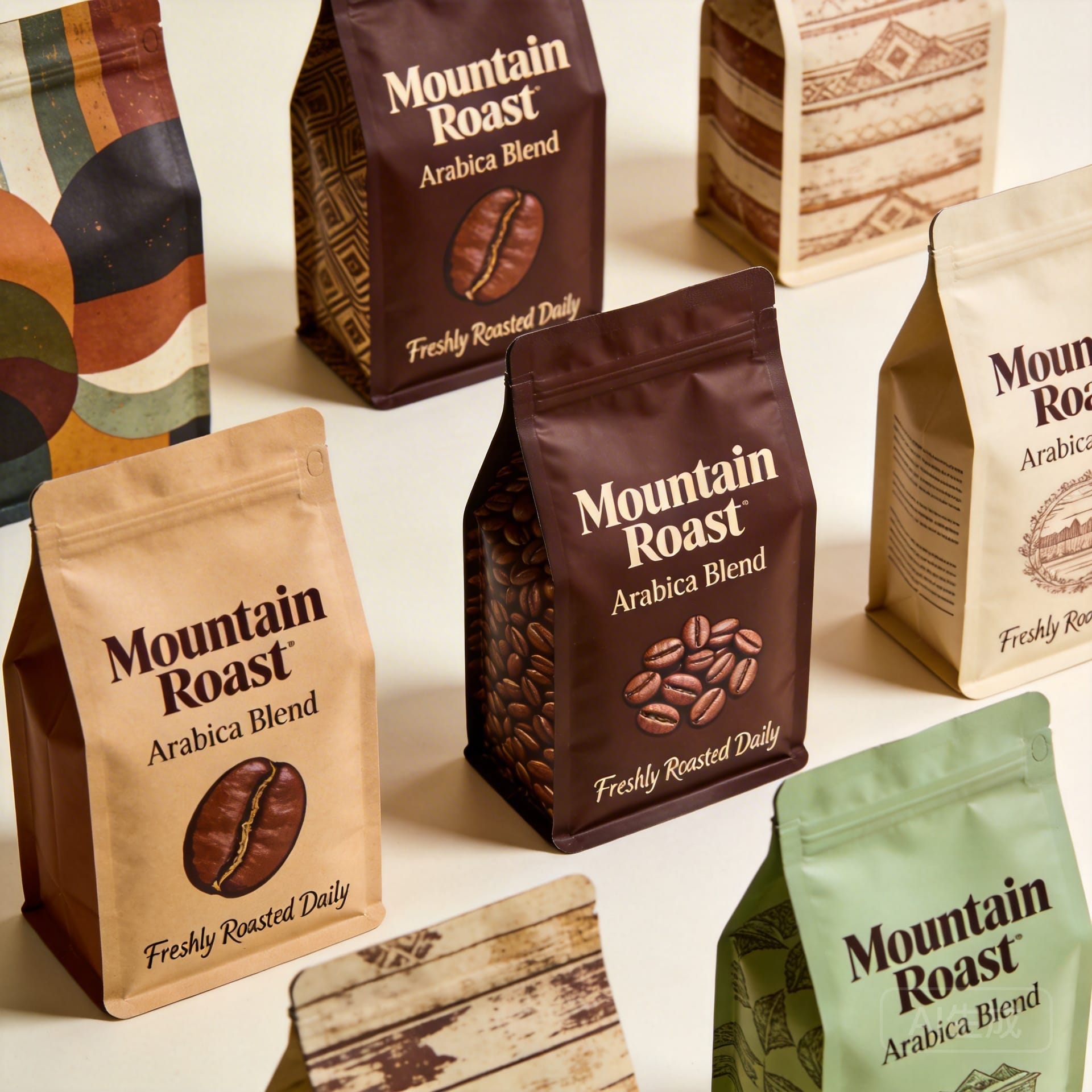
Modular packaging designs allow companies to use standardized components across different product categories, reducing manufacturing complexity and inventory requirements. This approach maintains customization capabilities while achieving economies of scale in production and procurement. Strategic partnerships with packaging suppliers enable volume discounts and collaborative development of innovative solutions that benefit all partners involved.
The integration of packaging cost analysis tools with overall business intelligence platforms provides comprehensive visibility into packaging-related expenses and ROI metrics. These tools track the relationship between packaging investments and customer satisfaction scores, return rates, and brand perception measures, enabling data-driven decisions about packaging strategy investments and improvements.
By 2026, the convergence of sustainability requirements, technological capabilities, personalization demands, and cost pressures will define the next generation of eCommerce packaging solutions. Success in this evolving landscape requires strategic planning, continuous innovation, and commitment to balancing multiple stakeholder needs while maintaining operational efficiency and competitive advantage.