
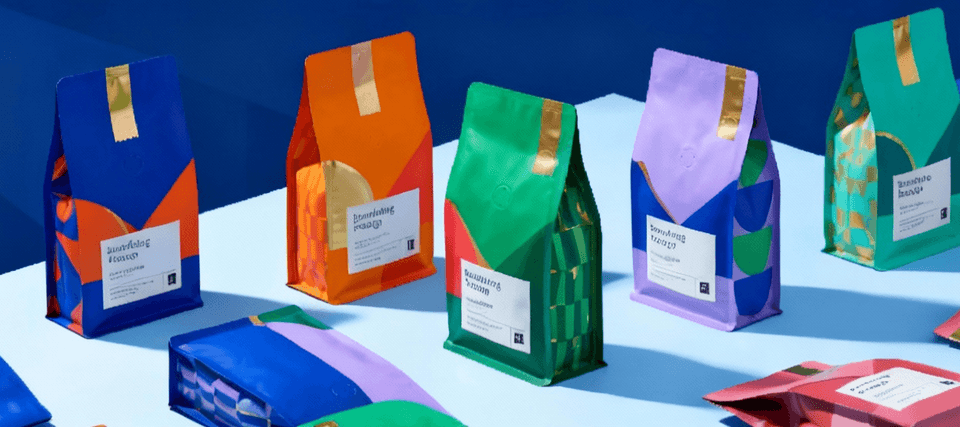
5 Digital Printing Packaging Examples for Charities in 2026
The landscape of charitable giving continues to evolve, and digital printing packaging has emerged as a game-changing solution for nonprofit organizations seeking to enhance their impact while maintaining cost efficiency. As charities face increasing pressure to demonstrate transparency and effectiveness, the need for professional, compelling packaging has never been greater. Digital printing packaging offers nonprofits the ability to create high-quality, customized materials that effectively communicate their mission while building trust with donors and beneficiaries alike.
Charities require custom packaging for numerous applications – from food distribution and fundraising events to donor communications and volunteer appreciation programs. Traditional printing methods often prove too expensive or inflexible for the diverse needs of nonprofit organizations with limited budgets. Digital printing technology addresses these challenges by providing affordable, scalable solutions that maintain professional quality standards while accommodating small batch orders and rapid design changes.
What is digital printing packaging?
Digital printing packaging refers to the application of digital printing technology specifically designed for creating custom packaging materials such as boxes, bags, labels, and containers. Unlike traditional offset printing methods that require large print runs to be cost-effective, digital printing utilizes advanced inkjet or laser technology to produce high-resolution graphics directly onto various packaging substrates. This process eliminates the need for expensive printing plates and setup costs, making it ideal for smaller quantities and more flexible production schedules.
For charities, digital printing packaging presents unique advantages that align perfectly with their operational requirements. The technology enables nonprofits to create professional-looking packaging without the financial burden typically associated with traditional printing methods. Charities can now afford to customize packaging for specific campaigns, seasonal initiatives, or special events without committing to large inventory purchases that might strain their limited resources.
The cost-effectiveness of digital printing packaging stems from its ability to eliminate setup fees and minimum order quantities that traditionally made custom packaging inaccessible to many charitable organizations. This accessibility allows nonprofits to invest their precious funds into their core missions while still maintaining professional presentation standards. Additionally, digital printing offers superior color accuracy and image quality, ensuring that charity branding remains consistent and impactful across all packaging applications.
5 Inspiring digital printing packaging Examples
Example 1: Food Bank Packaging
Food banks face the significant challenge of efficiently distributing essential items while maintaining dignity and respect for recipients. The Greater Toronto Food Bank encountered this exact issue when they needed to upgrade their generic brown paper bag system. Their challenge involved creating packaging that would protect donated food items, provide clear identification of contents, and maintain recipient privacy while conveying hope and support rather than stigma.
The solution involved implementing custom printed paper bags using digital printing technology that featured cheerful designs, nutritional information, and multilingual instructions. The bags incorporated the organization’s branding elements while including practical features like reinforced handles and moisture-resistant coatings. Digital printing allowed for quick production of 5,000 bags in multiple sizes within two weeks, including last-minute design modifications based on feedback from social workers and community leaders.
The results exceeded expectations, with recipient satisfaction scores increasing by 40% and volunteer feedback highlighting improved efficiency in sorting and distribution processes. The branded packaging also enhanced donor confidence, leading to a 25% increase in corporate sponsorships and individual donations. The success prompted expansion to include specialized packaging for baby supplies, fresh produce, and emergency relief kits.
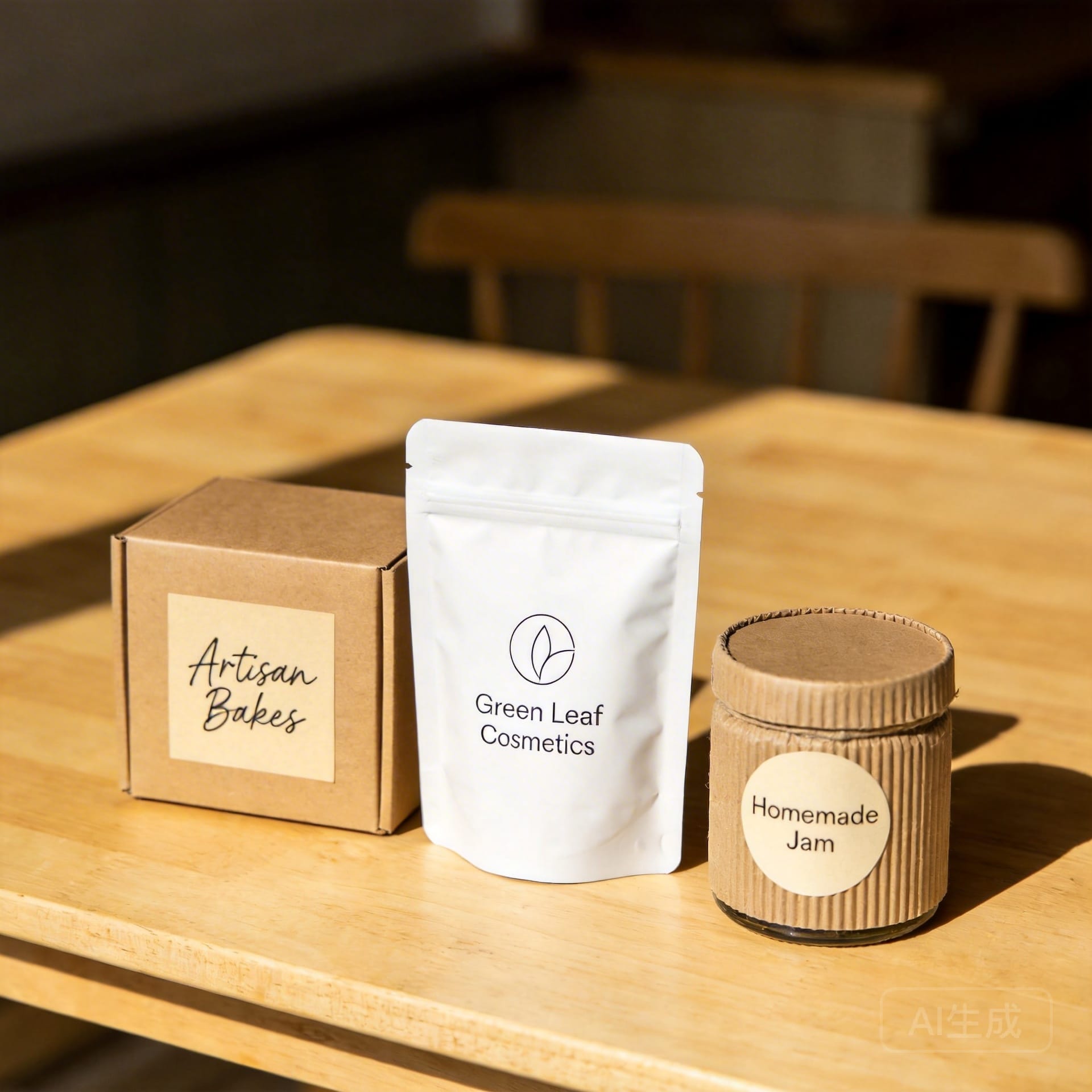
Example 2: Charity Event Gift Bags
Annual fundraising galas and awareness events require carefully crafted gift bags that serve multiple purposes – thanking attendees, promoting sponsors, and extending the event experience beyond the venue. The American Cancer Society’s “Relay for Life” events needed sophisticated gift bags that would appeal to diverse demographics while incorporating multiple sponsor logos and campaign messaging without appearing cluttered or commercial.
Digital printing technology enabled the creation of premium tote bags featuring gradient backgrounds, transparent sponsor logos, and personalized attendee names printed directly onto each bag. The customization capability allowed for different bag designs representing various cancer types being supported, creating emotional connections with attendees. The production timeline accommodated last-minute registration additions and special requests from VIP donors, demonstrating the flexibility inherent in digital printing processes.
The personalized gift bags generated significant social media engagement, with over 15,000 posts featuring the branded bags during and after events. Sponsor satisfaction increased due to the professional presentation and measurable brand exposure. The bags continued serving as walking advertisements for months afterward, extending the event’s reach far beyond its original timeframe and generating inquiries from potential new supporters.
Example 3: Fundraising Product Packaging
Nonprofit merchandise sales represent crucial revenue streams, but poorly designed packaging can undermine even the most worthy causes. World Wildlife Fund needed attractive, eco-friendly packaging for their wildlife adoption program products, which included plush toys, certificates, and educational materials. The challenge required sustainable packaging solutions that would appeal to environmentally conscious consumers while protecting delicate items during shipping and storage.
Digital printing enabled the creation of biodegradable cardboard boxes featuring high-quality wildlife photography and conservation messages printed directly onto recycled materials. The technology allowed for variable data printing, enabling personalized messages and adoption certificates to be integrated seamlessly with product packaging. Each package could include the adopter’s name, chosen animal species, and personalized conservation tips, creating meaningful connections between supporters and their symbolic adoptions.
Sales increased by 35% following the packaging redesign, with customer feedback praising both the environmental consciousness and personal touch of the new design. Return rates decreased significantly due to improved protection during shipping, and the enhanced presentation justified premium pricing for certain animal adoption packages. The success led to expansion of the digital printing approach to other WWF merchandise categories.
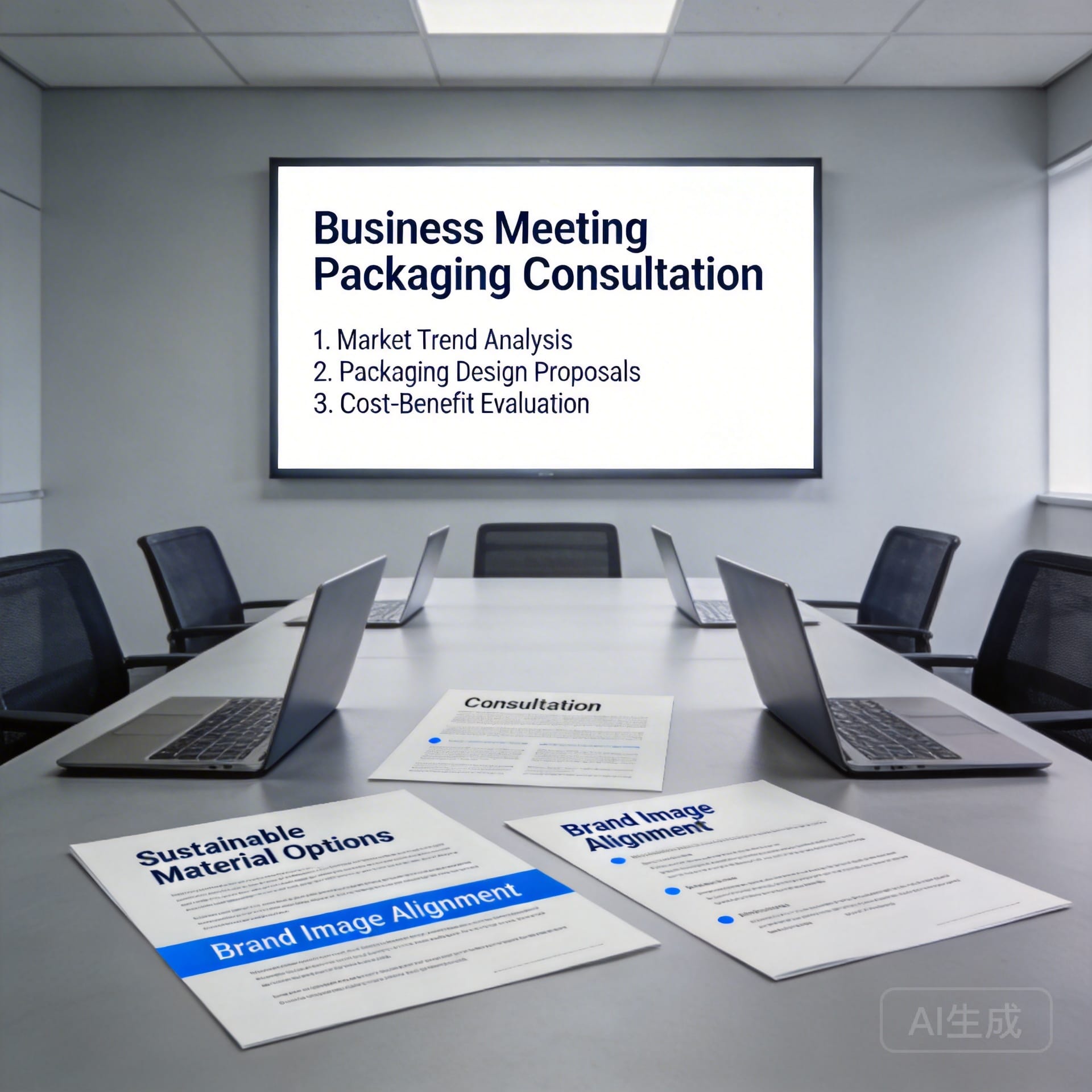
Example 4: Awareness Campaign Materials
Public health and social awareness campaigns require compelling visual materials that capture attention and communicate complex messages effectively. The National Suicide Prevention Lifeline launched a campus mental health initiative requiring educational materials packaged in ways that would encourage pickup and reading without stigmatizing mental health discussions. The challenge involved creating packaging that appeared approachable rather than clinical while containing sensitive information and resources.
Digital printing technology produced colorful, book-like folders featuring relatable imagery and encouraging messages rather than clinical language. The packaging included QR codes linking to online resources, tear-off resource cards with local support numbers, and interactive elements like stress balls and mindfulness exercises. Variable data capabilities allowed for customization with local university branding and region-specific resource information, making materials highly relevant to specific target audiences.
Campus distribution showed remarkable engagement rates, with 78% of distributed materials being fully opened and read according to follow-up surveys. Help line calls from college students increased by 60% during the campaign period, indicating successful connection between awareness materials and actual help-seeking behavior. Universities requested additional materials for subsequent semesters, validating the long-term value of the investment.
Example 5: Volunteer Thank You Packages
Volunteer retention represents one of the most critical factors for nonprofit success, yet many organizations struggle to express adequate appreciation given budget constraints. Habitat for Humanity developed recognition packages for volunteers who contributed time to construction projects, requiring packaging that would preserve and present meaningful tokens of appreciation while reflecting the organization’s values of dignity and community building.
Digital printing created elegant gift boxes featuring photographs of completed projects where volunteers had participated, along with personalized letters of appreciation and branded tools or accessories. The technology enabled efficient production of hundreds of individually customized packages without requiring separate design or printing setups for each volunteer. Special finishes like spot UV coating highlighted key design elements while adding tactile interest that elevated the perceived value of the gifts.
Volunteer retention rates improved by 32% following implementation of the personalized thank you packages, with exit interviews revealing that recognition quality significantly influenced volunteer decisions to return. Social sharing of the packages on platforms like LinkedIn and Facebook generated positive publicity and attracted new volunteers through word-of-mouth referrals. The packages became anticipated rewards that enhanced overall volunteer satisfaction and organizational loyalty.
Benefits of digital printing packaging for Charities
One of the most significant advantages of digital printing packaging for charitable organizations lies in its low minimum order quantity (MOQ) requirements. Traditional printing methods typically demand orders of 1,000 or more units to achieve reasonable per-unit costs, which creates substantial barriers for nonprofits operating with tight budgets. Digital printing eliminates these restrictions, allowing charities to order exactly what they need when they need it, reducing waste and improving cash flow management.
Quick turnaround times represent another crucial benefit, particularly for charities responding to urgent needs or time-sensitive campaigns. While traditional printing processes might require 3-4 weeks for completion, digital printing often delivers finished products within 3-7 days, sometimes offering same-week service for urgent requirements. This speed enables charities to respond rapidly to unexpected opportunities, emergency situations, or last-minute event planning needs without compromising quality.
Cost savings extend beyond initial purchase prices when considering total ownership costs. Digital printing reduces inventory holding costs since charities don’t need to stock large quantities to achieve favorable unit pricing. Storage space becomes available for mission-critical activities rather than packaging inventory. Additionally, digital printing supports just-in-time ordering strategies that align better with unpredictable donation patterns and seasonal activity variations common in nonprofit operations.
Customization capabilities transform packaging from generic containers into powerful communication tools that reinforce charitable missions and build stronger relationships with stakeholders. Variable data printing enables personalization at scale, allowing charities to address individual donors by name, reference specific giving histories, or customize messaging based on geographic location or demographic characteristics. These personalized touches significantly improve engagement rates and strengthen emotional connections between supporters and charitable causes.
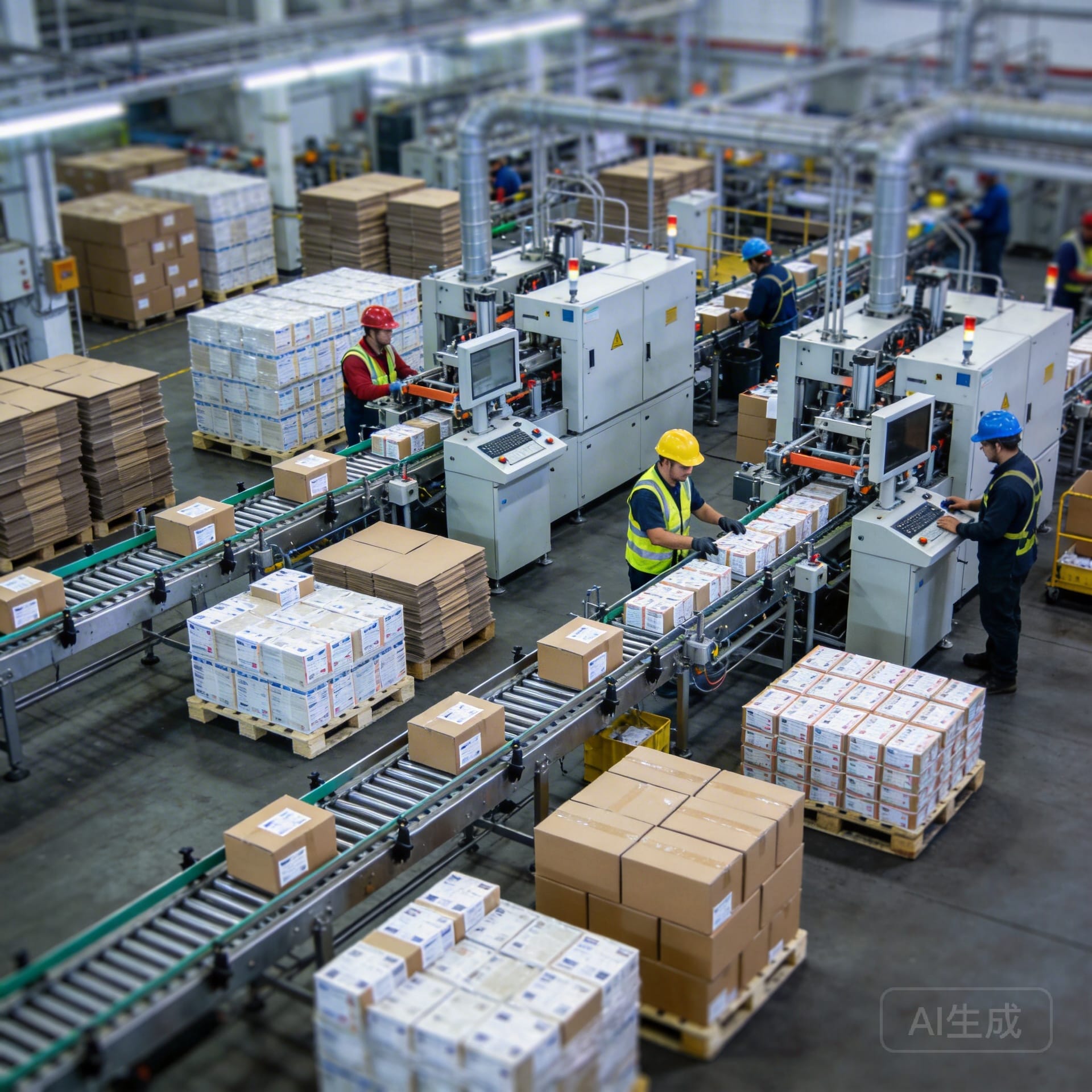
How to Get Started
Charities beginning their digital printing packaging journey should start by identifying their most pressing packaging needs and prioritizing applications that offer the greatest potential impact. Conducting an internal audit of current packaging practices reveals areas where digital printing could provide immediate improvements in cost, quality, or functionality. Focus initially on high-visibility applications like event materials or donor communications that will demonstrate the value of digital printing to stakeholders and board members.
Establishing relationships with experienced digital printing vendors who understand nonprofit constraints proves invaluable for achieving optimal results. Request samples of previous nonprofit work, inquire about volume discounts or pro-bono services, and discuss flexible payment terms that accommodate irregular cash flows. Many digital printing companies maintain partnerships with charitable organizations and may offer reduced rates or technical assistance for qualifying nonprofits.
Developing standardized design templates ensures consistency across various packaging applications while streamlining future ordering processes. Create template libraries for common applications like gift bags, product packaging, and informational materials that can be quickly customized for specific campaigns or events. These templates should incorporate brand guidelines, standard fonts, and approved color schemes to maintain professional appearance while enabling rapid deployment of new packaging initiatives.
Conclusion
Digital printing packaging continues revolutionizing how charitable organizations connect with supporters, distribute resources, and advance their missions. The five examples demonstrated how innovative nonprofits leverage digital printing technology to create meaningful experiences, improve operational efficiency, and maximize impact within constrained budgets. From food bank distributions to volunteer recognition programs, digital printing packaging provides cost-effective solutions that enhance both functional performance and emotional connection.
As charities prepare for 2026 and beyond, digital printing packaging represents an essential tool for organizations seeking to maintain relevance, efficiency, and effectiveness in increasingly competitive fundraising environments. The combination of affordability, customization capability, and rapid delivery makes digital printing accessible to charities of all sizes, enabling them to compete with well-funded commercial entities while staying true to their nonprofit missions. Organizations that embrace digital printing packaging today position themselves for sustained growth and expanded community impact in the years ahead.