
MOQ Custom Packaging: 7 Things Every Business Should Know in 2026
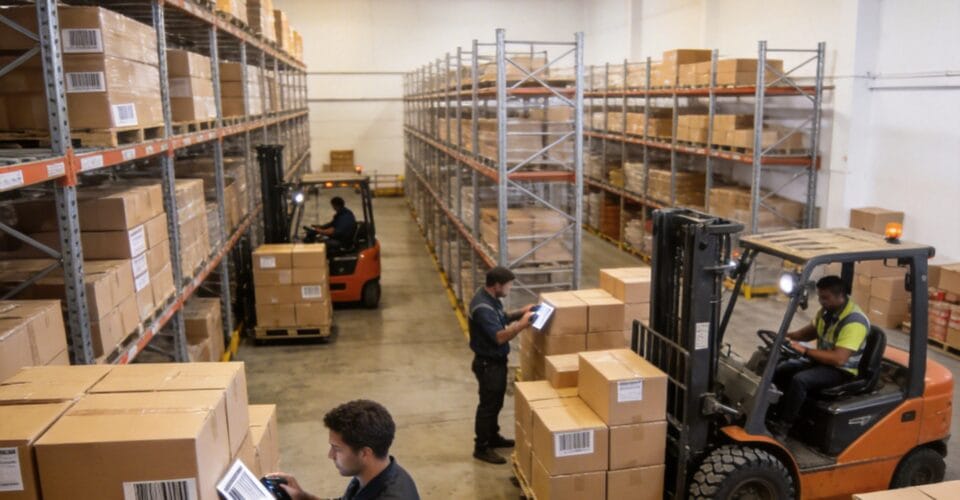
When entering the world of custom packaging solutions, understanding MOQ custom packaging requirements is crucial for business success. MOQ, or Minimum Order Quantity, represents the smallest number of units a manufacturer will produce in a single production run. For custom packaging projects, MOQ custom packaging standards can significantly impact your budget planning, inventory management, and overall product launch strategy. These minimum thresholds exist because custom packaging involves substantial setup costs, specialized equipment calibration, and material preparation that make small runs economically unfeasible for manufacturers. Understanding how MOQ custom packaging works helps businesses make informed decisions about their packaging investments, optimize their procurement strategies, and maintain healthy cash flow while ensuring quality standards are met.
Understanding MOQ Custom Packaging Requirements
Minimum Order Quantity (MOQ) in custom packaging refers to the smallest batch size that manufacturers will accept for a custom packaging project. This threshold exists because custom packaging requires significant upfront investment in tooling, design setup, color matching, and machine configuration. Unlike standard packaging where pre-made inventory exists, custom packaging starts from scratch for each client, necessitating specialized preparation that makes small orders inefficient and costly.
Manufacturers establish MOQ custom packaging requirements based on several critical factors. The production line setup time remains consistent regardless of order size, meaning that smaller runs would require the same preparation time but generate less revenue. Equipment calibration and testing also consume resources that need to be justified by sufficient production volume. Additionally, raw materials often come in bulk quantities, making it impractical to purchase small amounts for tiny orders.
The economic rationale behind MOQ custom packaging becomes clear when considering per-unit costs. Fixed costs like design work, plate creation, and machine setup get distributed across the entire order. With smaller quantities, these fixed costs dramatically increase the per-unit price, making the project financially unsustainable for both parties. Manufacturers typically calculate their MOQ based on achieving a reasonable profit margin while covering all associated costs.
Understanding these requirements helps businesses plan their inventory needs and budget appropriately. Companies must balance having enough stock to meet demand without overcommitting capital to excess inventory. The MOQ custom packaging structure also encourages businesses to think strategically about their packaging needs and potentially consolidate multiple products into larger, more cost-effective orders.
Typical MOQ Custom Packaging MOQ Ranges
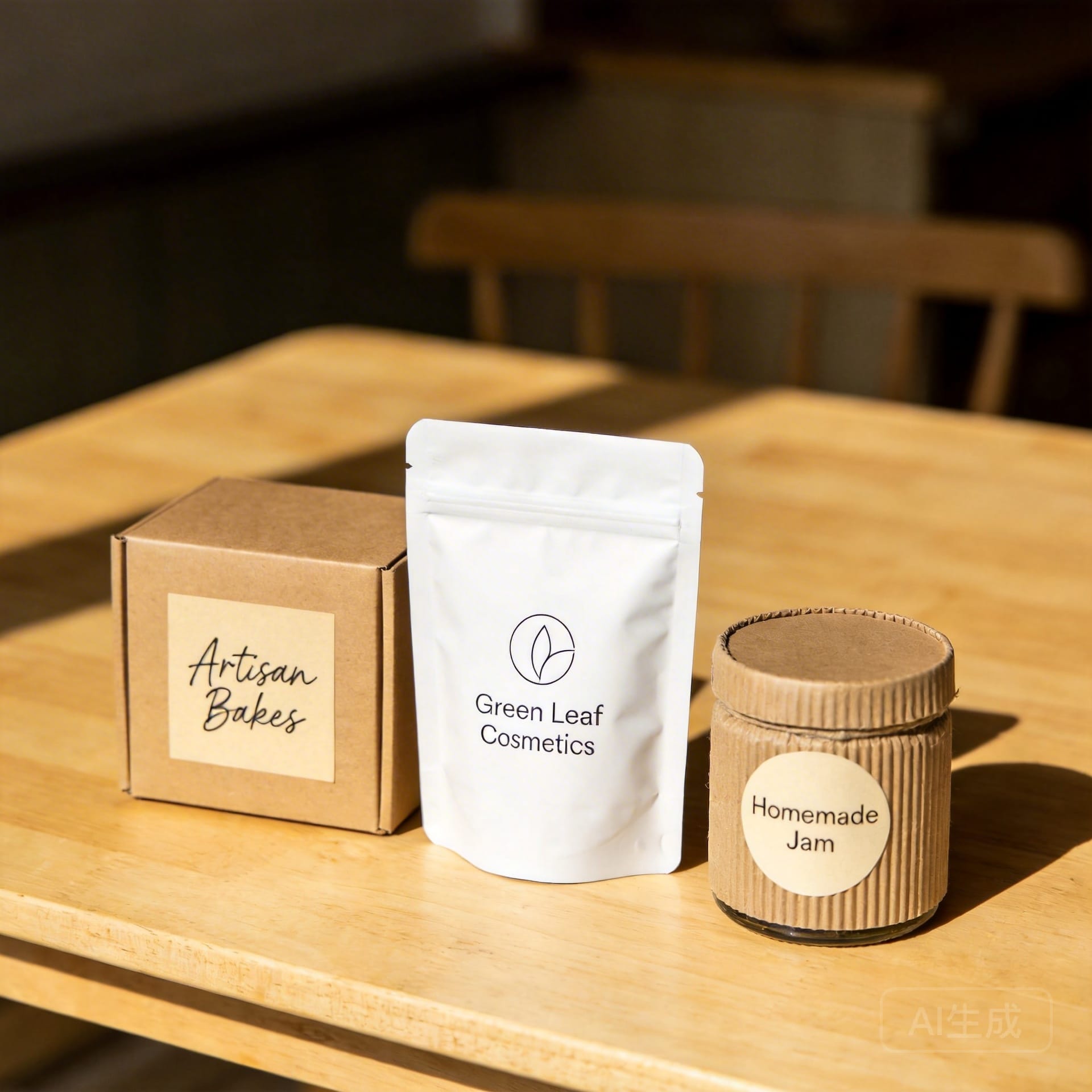
Different packaging types carry distinct MOQ requirements based on complexity, production methods, and market demands. Flexible packaging options like pouches typically have MOQ ranges between 1,000 to 5,000 units. Stand-up pouches, gusseted bags, and resealable options usually fall within this range due to the sophisticated printing and sealing processes required. These lower MOQs reflect the efficiency of modern flexible packaging equipment and the growing demand for customizable pouch solutions.
Coffee bags represent one of the most common custom packaging categories with MOQ requirements ranging from 3,000 to 10,000 units. The higher MOQ stems from the specialized valve installation, degassing requirements, and premium material costs. Coffee bag manufacturers often prefer larger runs because the specialty valves, multi-layer materials, and aroma preservation features justify the increased setup investment. Many coffee roasters find that ordering 5,000 to 7,500 units provides optimal cost-benefit ratios.
Custom boxes and rigid packaging typically offer the most flexible MOQ ranges, starting as low as 500 units and extending up to 2,000 units for complex designs. Simple corrugated boxes might have 500-unit MOQs, while intricate die-cut designs with multiple finishing options could require 1,500 to 2,000 units. The box industry has become increasingly responsive to smaller orders due to digital printing advances and improved cutting technologies that reduce setup costs.
Label and sticker orders often have MOQs between 2,500 to 10,000 pieces depending on size and complexity. Roll labels typically have higher MOQs around 5,000 to 15,000 units due to web-fed printing efficiency. Individual cut labels may start at 2,500 pieces but can go higher for specialty applications requiring unique adhesives or materials.
Industrial and heavy-duty packaging solutions often command the highest MOQ custom packaging requirements, frequently ranging from 10,000 to 50,000 units. These orders involve specialized materials, extensive testing protocols, and compliance requirements that justify larger production runs. Companies dealing with industrial packaging typically plan annual or semi-annual orders to maximize efficiency and minimize costs.
Factors Affecting MOQ for Custom Packaging
Material costs significantly influence MOQ custom packaging requirements as suppliers often sell raw materials in minimum quantities that align with production efficiency. When manufacturers need to purchase films, papers, adhesives, or specialty substrates, they must meet supplier minimums which directly impact their own MOQ policies. Premium materials like recyclable films, barrier coatings, or specialty papers may have higher supplier MOQs, pushing manufacturer MOQs upward accordingly.
Printing setup costs represent another major factor affecting MOQ custom packaging calculations. Traditional offset printing requires creating plates, calibrating colors, and conducting test runs that consume time and materials. Digital printing has reduced some of these barriers, but setup time and waste materials still apply. Complex multi-color designs with special effects like embossing, spot UV, or foil stamping require additional setup steps that justify higher minimum orders.
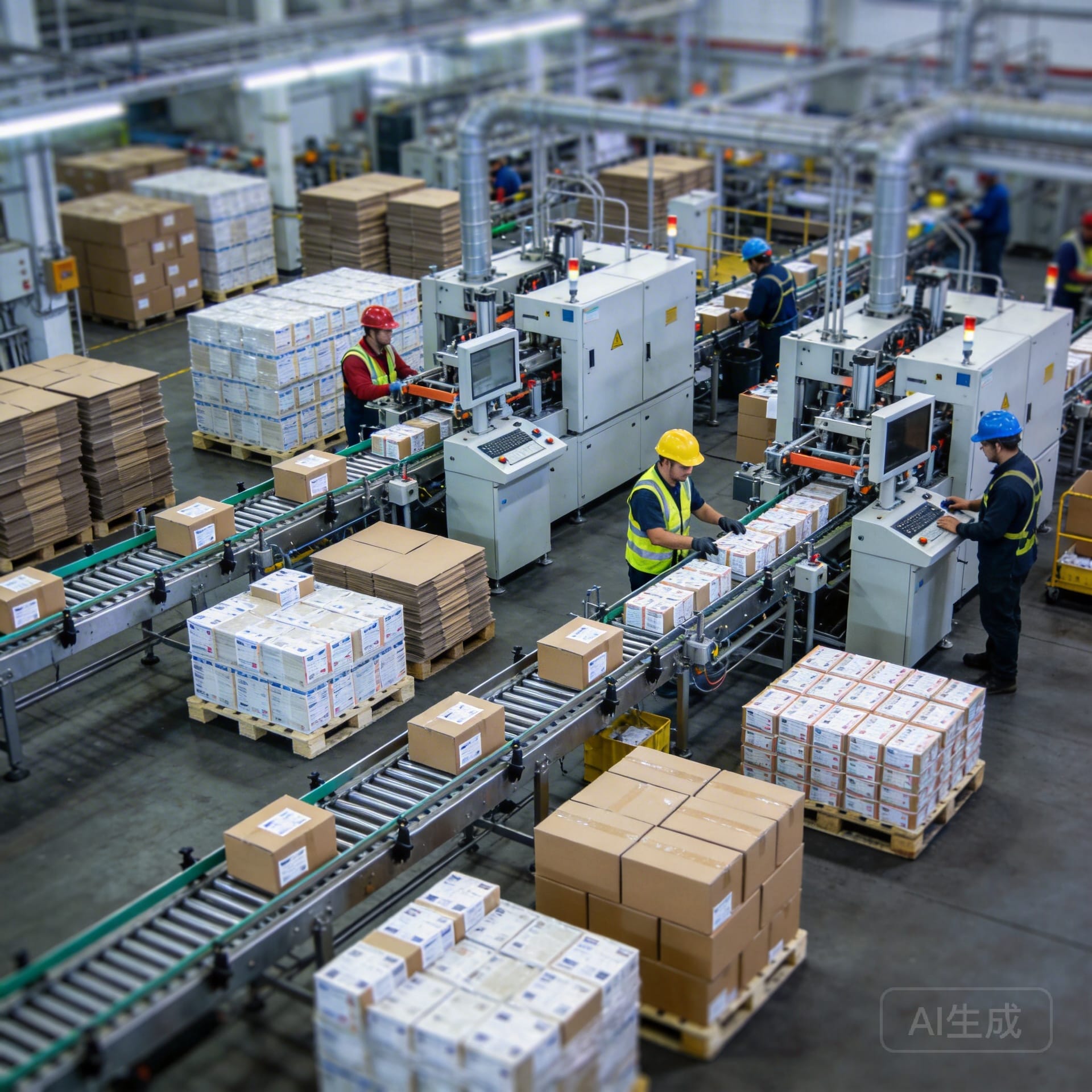
Production volume considerations help manufacturers determine sustainable MOQ levels. Facilities must maintain efficient throughput to remain profitable, and small orders can disrupt production schedules and create inefficiencies. Large manufacturing plants might have 10,000-unit MOQs because smaller runs wouldn’t justify the allocation of high-capacity equipment. Smaller specialty shops might offer 1,000-unit MOQs by optimizing their equipment usage and scheduling.
Market positioning also affects MOQ custom packaging decisions. Premium packaging providers targeting luxury brands might maintain higher MOQs to ensure adequate margins on high-end projects. Conversely, companies serving small businesses may develop lower MOQ strategies to capture market share. Seasonal demand patterns can also influence MOQ flexibility, with manufacturers sometimes accepting lower volumes during slower periods.
Quality control requirements impact MOQ calculations as well. Custom packaging projects often require extensive testing, sample approval, and quality assurance procedures that take considerable time regardless of order size. The time investment in ensuring quality standards justifies higher MOQs to maintain profitability while delivering superior results.
5 Strategies to Handle MOQ Custom Packaging MOQ
Advanced planning represents the most effective strategy for managing MOQ custom packaging requirements. Successful businesses forecast their packaging needs 6-12 months in advance, allowing them to aggregate demand and place larger, more economical orders. This approach enables companies to negotiate better pricing while meeting manufacturer MOQ requirements. Planning also allows for seasonal adjustments, promotional campaigns, and new product launches to be coordinated with packaging orders, maximizing efficiency and minimizing waste.
Order combination strategies can significantly reduce the impact of MOQ custom packaging restrictions. Businesses can combine multiple products, SKUs, or even coordinate with other companies to reach minimum thresholds. Multi-product orders allow manufacturers to run similar items together, reducing setup costs and enabling lower per-unit prices. Some companies form buying groups with complementary businesses to achieve MOQ requirements while maintaining individual brand identities.
Negotiation remains a powerful tool when dealing with MOQ custom packaging challenges. Experienced buyers often discuss flexible terms such as staggered delivery schedules, extended payment terms, or mixed product orders to meet minimum requirements. Manufacturers may accept slightly lower MOQs if customers commit to ongoing relationships, agree to longer contract terms, or accept certain production constraints. Building strong supplier relationships creates opportunities for MOQ flexibility and priority scheduling.
Inventory optimization helps businesses balance MOQ requirements with cash flow management. Rather than ordering exactly at MOQ levels, companies can calculate optimal order quantities that consider storage capacity, shelf life, and demand forecasts. This approach might mean ordering 2x or 3x the MOQ to achieve better unit economics while maintaining manageable inventory levels. Proper warehouse planning and inventory tracking systems support these optimized ordering strategies.
Alternative supplier evaluation provides options when MOQ custom packaging requirements don’t align with business needs. Different manufacturers may offer varying MOQ levels based on their equipment, market positioning, or capacity utilization. Online platforms and packaging marketplaces have emerged that connect businesses with multiple suppliers offering different MOQ levels, providing flexibility that traditional sourcing methods lack.
Tips for Small Businesses
Small businesses face unique challenges with MOQ custom packaging requirements, but strategic approaches can overcome these obstacles. Starting with simple packaging designs that require fewer setup steps often results in lower MOQ requirements and reduced costs. Minimalist designs with fewer colors, simpler shapes, and standard sizes typically have more flexible minimums than complex custom solutions. This approach allows small businesses to enter the custom packaging market without massive initial investments.
Consider partnering with other small businesses or joining cooperative purchasing groups to reach MOQ requirements collectively. Many successful small business alliances have formed specifically to address packaging MOQ challenges. These partnerships can provide mutual benefits including shared costs, reduced per-unit prices, and access to higher-quality packaging that might otherwise be unaffordable. Communication and clear agreements are essential for successful collaborative purchasing arrangements.
Focus on core products first and expand gradually. Rather than trying to customize packaging for every product variation immediately, concentrate MOQ custom packaging investments on best-selling items or primary product lines. This strategy maximizes the impact of initial packaging investments while generating revenue that can fund future expansion into additional products or packaging options.
Conclusion
Successfully navigating MOQ custom packaging requirements requires strategic planning, supplier relationship management, and careful financial consideration. Understanding the underlying reasons for minimum order quantities helps businesses appreciate the value proposition while developing effective procurement strategies. By implementing advanced planning techniques, exploring collaborative purchasing options, and maintaining flexibility in design approaches, companies can optimize their custom packaging investments while meeting manufacturer requirements. The key lies in viewing MOQ custom packaging not as an obstacle but as an opportunity to achieve better unit economics, ensure quality consistency, and build stronger supplier partnerships that support long-term business growth.