
Introduction to Materials
Flexible packaging has revolutionized the way businesses protect, transport, and market their products across numerous industries. Unlike rigid packaging solutions such as glass bottles or metal cans, flexible packaging materials offer unique advantages including lightweight construction, cost-effectiveness, and superior barrier properties that can be tailored to specific product requirements. The versatility of these materials makes them ideal for everything from food and beverage applications to pharmaceuticals, personal care products, and industrial goods.
The selection of appropriate flexible packaging materials is critical to maintaining product integrity, extending shelf life, and ensuring customer satisfaction. Modern flexible packaging often involves multi-layer constructions that combine different materials to achieve optimal performance characteristics such as moisture resistance, oxygen barrier properties, puncture resistance, and printability. Understanding the fundamental properties of various materials enables manufacturers and brand owners to make informed decisions that balance performance requirements with cost considerations while meeting regulatory standards and sustainability goals.
Common Materials (PET, PE, Kraft)
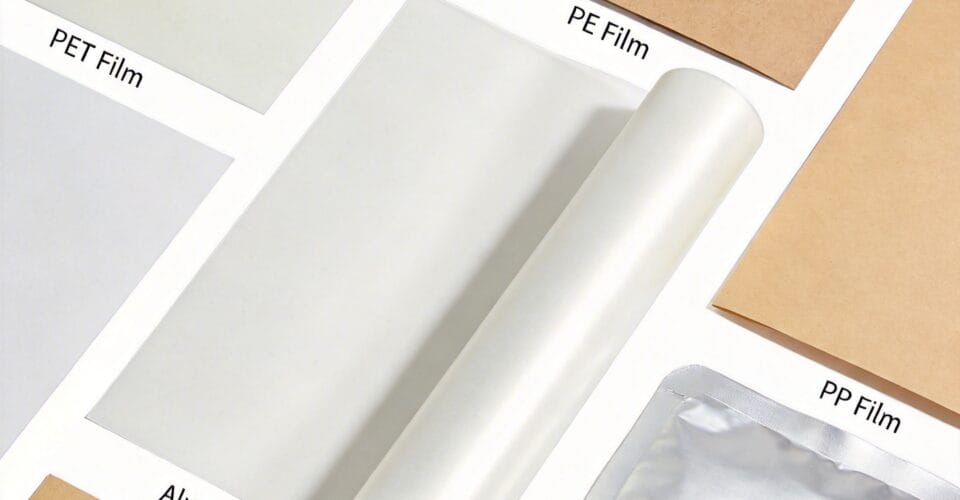
Polyethylene terephthalate (PET) stands as one of the most widely used materials in flexible packaging due to its excellent clarity, strength, and chemical resistance. PET films provide exceptional barrier properties against gases and moisture while maintaining transparency that allows consumers to view the packaged product. This material is particularly popular in food packaging applications where visual appeal and freshness preservation are paramount. PET’s high tensile strength and dimensional stability make it suitable for both form-fill-seal operations and pre-made pouch applications. Additionally, PET offers good heat resistance and can be oriented to enhance specific properties such as stiffness or shrink characteristics.
Polyethylene (PE) encompasses several variations including low-density polyethylene (LDPE), linear low-density polyethylene (LLDPE), and high-density polyethylene (HDPE), each offering distinct advantages for flexible packaging applications. LDPE provides excellent flexibility, sealability, and moisture barrier properties, making it ideal for food packaging where softness and toughness are required. LLDPE offers enhanced puncture resistance and better sealing properties at lower temperatures, which translates to improved operational efficiency during packaging processes. High-density polyethylene provides increased stiffness and strength but reduced flexibility compared to other PE variants. These materials are often combined in multi-layer structures to leverage the benefits of each type while compensating for individual limitations.
Kraft paper represents a traditional yet highly relevant material in flexible packaging, particularly valued for its natural appearance, strength, and sustainability credentials. Made from wood pulp through the kraft process, this material offers excellent tear resistance and structural integrity while providing an eco-friendly alternative to synthetic materials. Kraft paper is commonly used in multi-wall bags, stand-up pouches, and laminated structures where barrier properties are enhanced through coating or lamination with other materials. Its natural brown color appeals to brands seeking to communicate environmental responsibility, while its printable surface accommodates various decoration techniques. Modern kraft materials undergo treatments to improve moisture resistance and barrier performance, expanding their applicability across diverse product categories.

Choosing the Right Material
Selecting the appropriate flexible packaging material requires careful consideration of multiple factors including product characteristics, storage conditions, distribution requirements, and end-user expectations. Product sensitivity to oxygen, moisture, light, and temperature fluctuations must be evaluated to determine the necessary barrier properties required for maintaining quality throughout the intended shelf life. For instance, products containing oils or fats may require superior oxygen barrier properties to prevent rancidity, while dry goods might prioritize moisture protection. The physical handling requirements during shipping and storage also influence material selection, as some products demand enhanced puncture resistance or drop impact protection that may necessitate thicker gauge materials or multi-layer constructions.
Cost considerations play a significant role in material selection, encompassing not only the raw material costs but also processing efficiency, waste reduction, and total cost of ownership. While premium barrier materials may command higher initial prices, they often provide value through extended product shelf life, reduced returns, and enhanced brand protection. Processing characteristics such as sealability, runnability on packaging equipment, and compatibility with printing inks and adhesives must be evaluated to ensure smooth production operations. Additionally, regulatory compliance requirements vary by industry and geographic region, particularly in food contact applications where migration limits and approved substance lists must be strictly adhered to when selecting packaging materials.
Sustainability considerations have become increasingly important in material selection, driven by consumer demand, corporate social responsibility initiatives, and evolving regulations regarding plastic waste and recyclability. Brands are increasingly seeking materials that support circular economy principles, whether through recyclability, compostability, or reduced environmental impact during production. Bio-based alternatives to traditional petroleum-derived materials are gaining traction, though their performance characteristics and cost implications must be carefully weighed against conventional options. The ability to source sustainable materials without compromising product protection remains a key challenge that requires collaboration between packaging suppliers, converters, and brand owners to develop innovative solutions that meet all stakeholder requirements.
Conclusion
The landscape of flexible packaging materials continues to evolve as manufacturers respond to changing market demands, regulatory requirements, and sustainability imperatives. Success in selecting the right material depends on understanding the complex interplay between product requirements, performance specifications, economic factors, and environmental considerations. As new technologies emerge and consumer preferences shift toward more sustainable solutions, the importance of staying current with material innovations and application developments cannot be overstated.
Ultimately, the investment in proper material selection pays dividends through improved product protection, enhanced customer satisfaction, operational efficiency, and competitive advantage. Companies that approach flexible packaging material selection strategically, considering both immediate needs and long-term objectives, position themselves for sustained success in an increasingly demanding marketplace. The key lies in balancing technical performance with commercial viability while remaining responsive to the growing emphasis on environmental responsibility and sustainable packaging solutions.