

Introduction
In today’s competitive marketplace, custom packaging has evolved from a simple protective measure to a critical business strategy that influences customer perception, brand recognition, and market positioning. As consumer expectations continue to rise and sustainability concerns grow, businesses are increasingly turning to custom packaging solutions that not only safeguard their products but also communicate their brand story effectively. The right custom packaging serves multiple functions: it protects your product during shipping and storage, enhances shelf appeal, provides essential information to consumers, and differentiates your brand from competitors. Whether you’re launching a new product line, rebranding existing offerings, or seeking to improve operational efficiency, understanding the fundamentals of custom packaging is essential. A reputable packaging manufacturer can help transform your vision into reality, creating solutions that align with your specific requirements while meeting industry standards and regulatory compliance.
Types of Custom Packaging
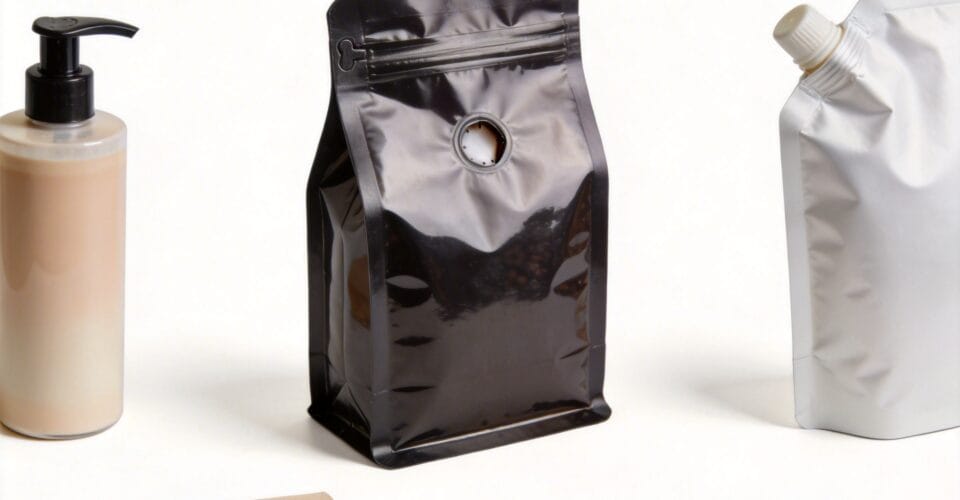
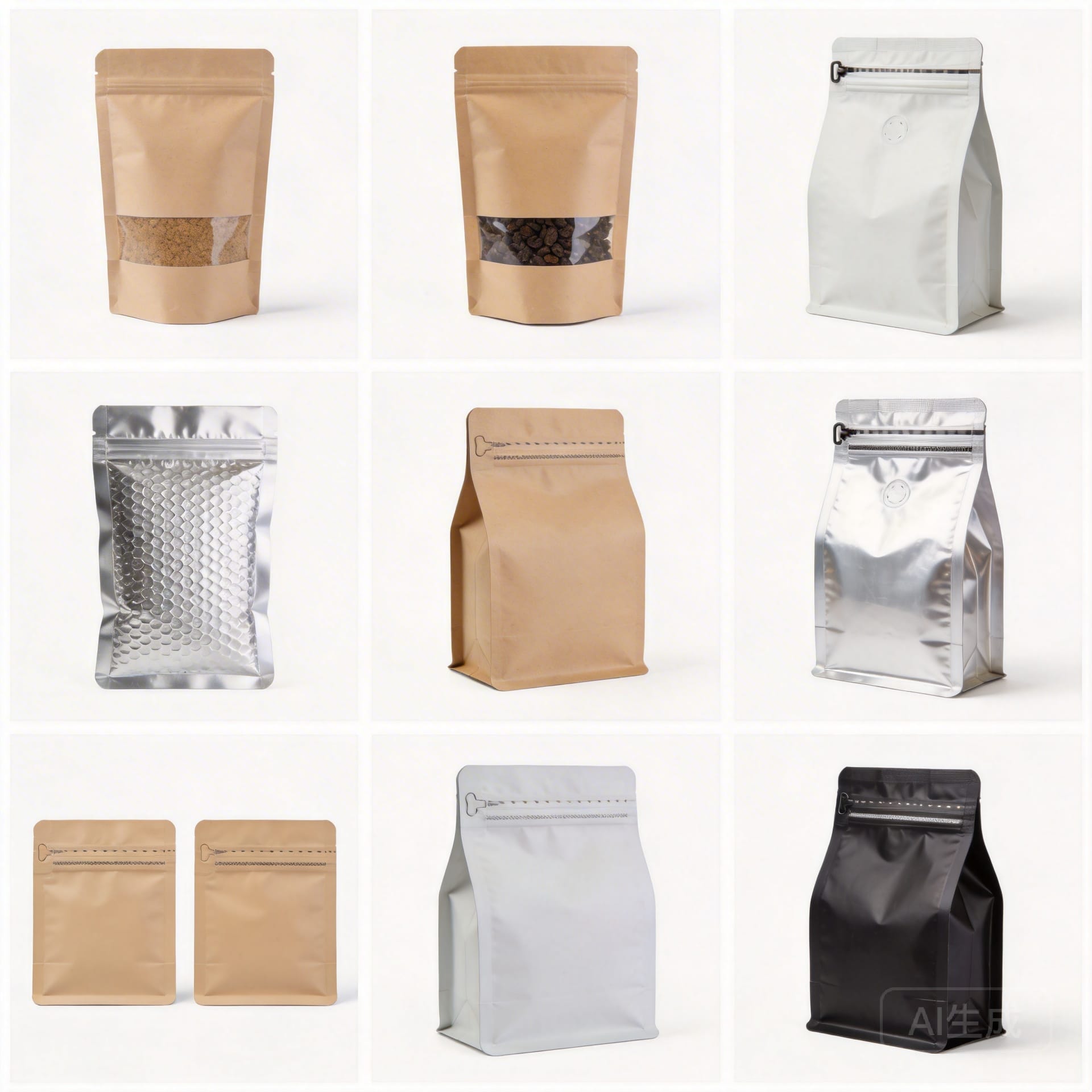
Custom packaging encompasses a wide range of solutions designed to meet diverse business needs across various industries. Flexible packaging represents one of the most versatile categories, offering lightweight, cost-effective options that maintain product freshness while reducing shipping costs. This category includes stand-up pouches, side-gusset bags, and vacuum-sealed packages that adapt to irregularly shaped products. Custom pouches specifically cater to food, pharmaceutical, and consumer goods markets, providing features such as resealable zippers, clear viewing windows, and specialized barrier properties to extend shelf life. Rigid packaging options include custom-designed boxes, containers, and blister packs that offer superior protection for fragile items. Each type serves specific purposes, from retail-ready packaging that eliminates secondary containers to bulk packaging solutions that streamline distribution processes.
The selection of appropriate materials plays a crucial role in determining packaging performance and functionality. Common materials include various grades of paperboard, corrugated cardboard, plastic films, and specialty substrates like metallized films or biodegradable options. Sustainable packaging alternatives are gaining prominence as businesses respond to environmental pressures and consumer demand for eco-friendly solutions. These may include recycled content materials, plant-based plastics, or compostable films that maintain performance characteristics while reducing environmental impact. Advanced printing technologies enable sophisticated graphics and branding elements that enhance visual appeal and provide marketing opportunities. Modern custom packaging often incorporates smart features such as QR codes, NFC tags, or tamper-evident seals that add value beyond basic protection and presentation.
Different industries require specialized packaging approaches based on product characteristics and regulatory requirements. Food and beverage packaging must comply with FDA regulations and often requires barrier properties to prevent contamination and maintain freshness. Pharmaceutical packaging demands precise labeling requirements and child-resistant features in many cases. Cosmetics and personal care products benefit from packaging that preserves product integrity while showcasing aesthetic appeal. Electronics packaging requires static-dissipative materials and cushioning systems to protect sensitive components during shipping. Understanding these industry-specific requirements helps businesses select appropriate custom packaging solutions that meet both functional needs and regulatory compliance standards while maintaining cost-effectiveness throughout the supply chain.
How to Choose the Right Packaging
Selecting the ideal custom packaging solution requires careful consideration of multiple factors that directly impact business success and customer satisfaction. Product characteristics form the foundation of packaging decisions, including size, weight, fragility, and shelf life requirements. Perishable goods demand packaging with specific barrier properties to prevent moisture, oxygen, or light exposure, while heavy items require structural integrity to prevent damage during handling and transport. Consideration must also be given to storage conditions, shipping methods, and distribution channels that will subject packaging to various environmental stresses. Budget constraints play a significant role in decision-making, balancing desired features against available resources while ensuring the packaging delivers adequate protection and brand presentation. Volume requirements affect economies of scale and minimum order quantities that packaging manufacturers typically require.
Brand identity and target market preferences significantly influence packaging design choices and material selections. Luxury products often warrant premium packaging materials and sophisticated finishing techniques such as embossing, foil stamping, or special coatings that convey quality and exclusivity. Conversely, value-oriented brands may prioritize cost-effective solutions that maintain functionality while minimizing expenses. Market research helps identify consumer preferences regarding package size, convenience features, and environmental considerations that influence purchasing decisions. Competitive analysis reveals opportunities for differentiation through unique packaging approaches that capture attention and create memorable unboxing experiences. Color schemes, typography, and imagery must align with overall brand guidelines while ensuring readability and compliance with industry regulations. The packaging should facilitate easy product identification and communicate key selling points at the point of purchase.
Sustainability considerations have become increasingly important in packaging selection, driven by consumer awareness and regulatory pressures. Businesses must evaluate the entire lifecycle impact of their packaging choices, considering material sourcing, manufacturing processes, transportation efficiency, and end-of-life disposal. Biodegradable and recyclable options may command premium pricing but can justify costs through improved brand perception and compliance with emerging environmental regulations. Supply chain integration ensures packaging specifications align with existing fulfillment processes, warehouse storage capabilities, and shipping requirements. Testing protocols verify that selected packaging performs adequately under real-world conditions, including drop tests, vibration testing, and environmental exposure assessments. Collaboration with experienced packaging professionals helps navigate complex technical requirements while identifying innovative solutions that optimize performance and cost-effectiveness.
Working with a Packaging Manufacturer
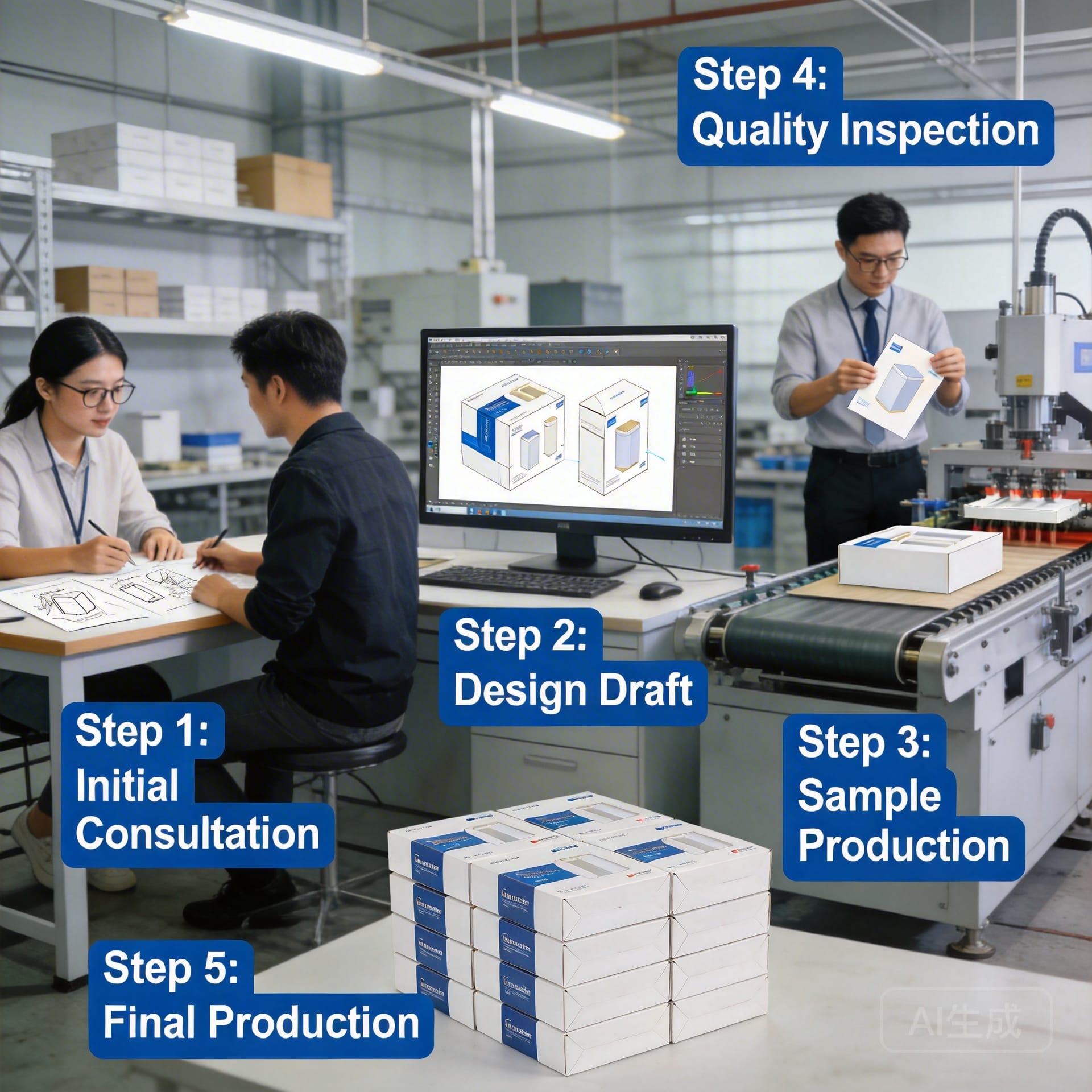
Establishing a successful partnership with a custom packaging manufacturer begins with clearly defined objectives and realistic timelines that account for design development, prototyping, and production phases. Effective communication ensures that your specific requirements, brand guidelines, and performance expectations are thoroughly understood and incorporated into the final solution. Experienced packaging manufacturers bring valuable expertise regarding material selection, manufacturing capabilities, and regulatory compliance that can prevent costly mistakes and accelerate time-to-market. Initial consultations typically involve reviewing product specifications, discussing budget parameters, and exploring creative possibilities within technical constraints. Requesting samples of previous work helps assess quality standards and manufacturing capabilities while providing insights into the manufacturer’s attention to detail and customer service approach.
The design and development process involves multiple iterations and feedback loops that refine concepts into production-ready solutions. Professional packaging manufacturers employ design teams with expertise in graphic arts, structural engineering, and manufacturing processes who can optimize designs for both aesthetic appeal and production efficiency. Prototyping services allow businesses to test packaging concepts before committing to full production runs, identifying potential issues and making necessary adjustments. Technical specifications must address dimensions, tolerances, material grades, and printing requirements while considering manufacturing limitations and cost implications. Regular project updates and milestone reviews ensure that development stays on track and addresses any concerns promptly. Quality assurance protocols established early in the relationship provide confidence in consistent product delivery and performance.
Production planning and logistics coordination represent critical aspects of successful manufacturer relationships, particularly when managing inventory levels and coordinating with distribution schedules. Flexible packaging manufacturers often provide additional services such as inventory management, kitting, and fulfillment support that streamline operations and reduce administrative burden. Clear agreements regarding intellectual property rights, confidentiality, and exclusive arrangements protect both parties’ interests while fostering trust and long-term collaboration. Post-production support including quality monitoring, issue resolution, and continuous improvement initiatives ensures that packaging solutions maintain effectiveness over time. Regular communication about market changes, new technology developments, and evolving customer needs helps manufacturers anticipate requirements and recommend proactive improvements that maintain competitive advantages.